Are Aluminum Windows Better Than Vinyl?
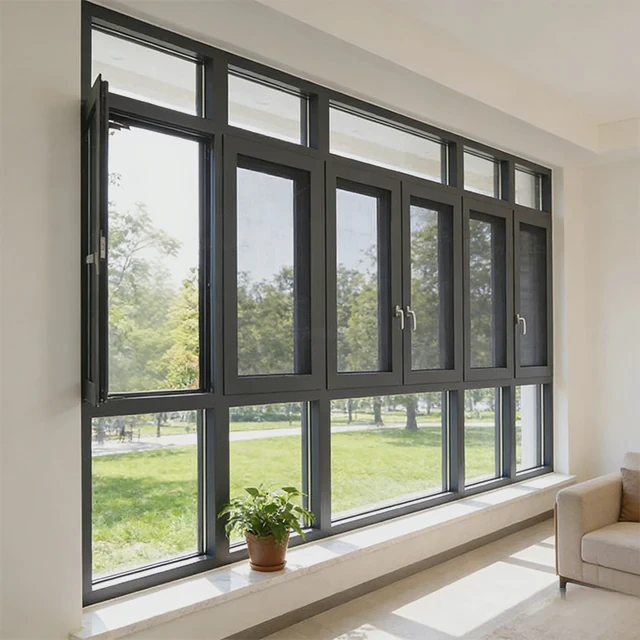
Choosing the right window material can be difficult because aluminum and vinyl windows both have strong points. A wrong choice can lead to higher costs, poor energy performance, or frequent repairs.
Aluminum windows can be better than vinyl windows in some situations, especially when homeowners need strength, slim frames, and long-term durability. However, vinyl windows can provide better insulation and lower maintenance in many residential projects.
When comparing aluminum and vinyl windows, I always look at the building location, climate, budget, and design needs. There is no single material that is perfect for every home. The best choice depends on what the homeowner values most.
Many modern buildings use aluminum windows because they provide a clean appearance and strong structure. Many residential homes use vinyl windows because they offer good energy efficiency and affordable pricing.
Understanding the differences between these two materials helps homeowners make a better decision.
What advantages do aluminum windows offer?

Aluminum windows offer strong frames, modern designs, and excellent durability. They are widely used in commercial buildings, high-rise apartments, and modern homes because aluminum can support large glass areas with a slim frame design.
One major advantage of aluminum windows is strength. Aluminum is a strong metal that can handle large glass panels without requiring thick frames. This creates wider views and more natural light inside buildings.
Why is aluminum popular for modern architecture?
Architects often choose aluminum because it provides a simple and clean appearance. The narrow frame design creates a modern style that works well with contemporary buildings.
Aluminum frames also allow more design flexibility. Manufacturers can create different shapes, sizes, and colors to match different architectural styles.
| Feature | Aluminum Windows | Benefit |
|---|---|---|
| Frame strength | Very high | Supports large glass panels |
| Design flexibility | Excellent | Suitable for modern buildings |
| Weather resistance | Strong | Handles outdoor conditions |
| Frame thickness | Slim | Provides larger glass area |
| Recycling ability | High | More environmentally friendly |
Another advantage is weather resistance. Aluminum does not rot, warp, or crack like some traditional materials. It can handle rain, wind, and sunlight for many years when it has a proper protective coating.
Are aluminum windows environmentally friendly?
Aluminum has a strong recycling advantage. Old aluminum frames can be recycled and reused instead of becoming waste.
Many manufacturers now use energy-saving production methods and recycled aluminum materials. This makes aluminum an attractive option for environmentally aware homeowners.
However, aluminum itself conducts heat easily. Without thermal breaks, aluminum windows may transfer outdoor temperatures into the building.
Modern aluminum windows often include thermal break technology. This adds an insulating barrier inside the frame and improves energy performance.
What maintenance do aluminum windows need?
Aluminum windows usually require simple maintenance. The frames do not need painting as often as wood windows, and they do not absorb water.
Regular cleaning with mild soap helps maintain appearance. Homeowners should also check seals and hardware to keep the window operating smoothly.
For people who want a strong and stylish window system, aluminum offers many advantages.
How do aluminum windows compare in durability?
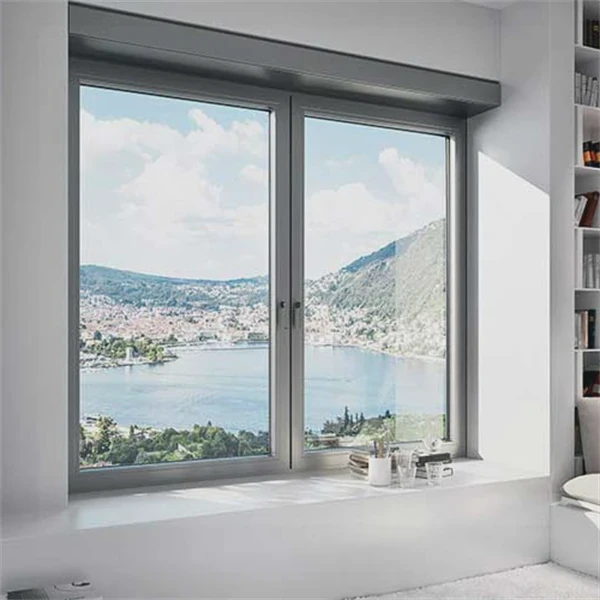
Aluminum windows usually have better structural durability than vinyl windows. Aluminum is a strong metal, while vinyl is a flexible plastic material. This difference affects how each material performs over time.
A well-made aluminum window can last several decades with proper maintenance. Vinyl windows can also last many years, but extreme weather conditions may affect their shape and performance.
How long can aluminum and vinyl windows last?
The lifespan of a window depends on quality, installation, climate, and maintenance. However, aluminum windows often have a longer structural life.
| Window Material | Typical Lifespan | Main Strength |
|---|---|---|
| Aluminum windows | 30–50 years or more | Structural strength |
| Vinyl windows | 20–40 years | Energy efficiency and low cost |
| Wood windows | 20–30 years | Natural appearance |
Aluminum frames can handle strong winds and large glass sizes better. This makes them common in coastal areas, commercial buildings, and areas with demanding weather conditions.
Vinyl windows have improved greatly over recent years. High-quality vinyl frames resist moisture and do not require painting. They are a good choice for many homes.
Which material handles weather better?
Aluminum performs well in extreme weather because it keeps its shape. It does not expand and contract as much as vinyl under temperature changes.
Vinyl can expand more when exposed to heat. In areas with strong temperature changes, lower-quality vinyl frames may experience movement over time.
However, aluminum needs protection from corrosion. Most modern aluminum windows use powder coating or special finishes to prevent damage.
Which window material requires fewer repairs?
Both materials need limited maintenance, but the type of maintenance is different.
Aluminum windows may need:
- Hardware checks
- Seal replacement
- Surface cleaning
- Occasional coating repairs
Vinyl windows usually need:
- Hardware checks
- Seal maintenance
- Track cleaning
The main difference is that aluminum provides stronger physical performance, while vinyl provides easier ownership.
For homeowners who want windows that can handle heavy use for many years, aluminum is often the stronger choice.
Why might homeowners choose aluminum frames?
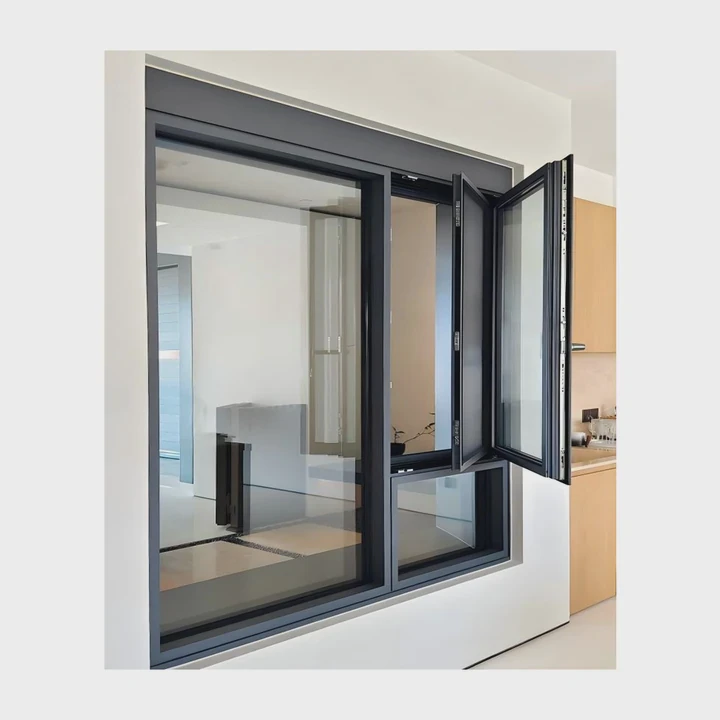
Homeowners may choose aluminum frames because they want a modern appearance, strong construction, and large glass areas. Aluminum windows create a premium look that many people prefer for modern homes.
The slim design of aluminum frames allows more glass and less visible frame material. This can make rooms feel brighter and more open.
Do aluminum windows improve home appearance?
Yes, aluminum windows can improve the visual style of a home. Their clean lines and narrow profiles create a high-end appearance.
Many luxury homes and modern apartments use aluminum windows because they match simple architectural designs.
Homeowners often choose aluminum when they want:
- Floor-to-ceiling glass
- Large sliding doors
- Minimal frame appearance
- Custom colors
Are aluminum windows more secure?
Aluminum frames can provide strong security because the material is difficult to damage. A strong frame combined with quality locks can improve window security.
Security also depends on the glass type, locking system, and installation quality. The frame material is only one part of the complete window system.
Are aluminum windows worth the higher price?
Aluminum windows usually cost more than basic vinyl windows. However, many homeowners consider the higher price worthwhile because of the longer lifespan and stronger appearance.
The value depends on the purpose of the building.
For example:
- A modern home may benefit from aluminum because appearance is important.
- A rental property may prefer vinyl because of lower initial cost.
- A commercial building may require aluminum because of size and strength needs.
Choosing aluminum is often a decision about long-term performance rather than only the purchase price.
Which factors affect window material selection?

The best window material depends on several factors, including climate, budget, design goals, and energy needs. Aluminum is not always better than vinyl, and vinyl is not always better than aluminum.
A smart choice requires looking at the complete situation.
Climate conditions
Climate plays an important role in window selection.
In hot areas with strong sunlight, homeowners should consider energy performance and frame temperature. Aluminum windows with thermal breaks can perform well in these environments.
In colder areas, insulation becomes more important. Vinyl windows often provide better natural insulation because vinyl does not transfer heat as easily as aluminum.
Energy efficiency needs
Energy efficiency affects heating and cooling costs.
| Factor | Aluminum Windows | Vinyl Windows |
|---|---|---|
| Strength | Excellent | Good |
| Insulation | Good with thermal breaks | Very good |
| Design options | Excellent | Good |
| Initial cost | Higher | Lower |
| Long-term durability | Excellent | Good |
Aluminum windows have improved energy performance because of modern technology. Thermal breaks, insulated glass, and advanced coatings help reduce heat transfer.
Vinyl windows still have an advantage in insulation because the material itself has lower thermal conductivity.
Budget considerations
Budget is one of the biggest factors for homeowners.
Vinyl windows usually have a lower purchase price. They provide good performance without a high investment.
Aluminum windows usually require a larger budget, but they may provide better value over a longer period because of their strength and durability.
Building style
The building design also affects the decision.
Modern homes with large glass walls often use aluminum. Traditional homes and budget-focused projects often choose vinyl.
The right window should match both the function and appearance of the building.
When I compare aluminum and vinyl windows, I focus on the complete picture instead of only one feature. Each material has a place in the market, and the best option depends on the homeowner’s goals.
Conclusion
Aluminum windows are better than vinyl in strength, design flexibility, and long-term durability. Vinyl windows are often better for insulation and affordability. The right choice depends on climate, budget, and building requirements.
Sinwindow Expert Team
Specializing in architectural aluminum systems.